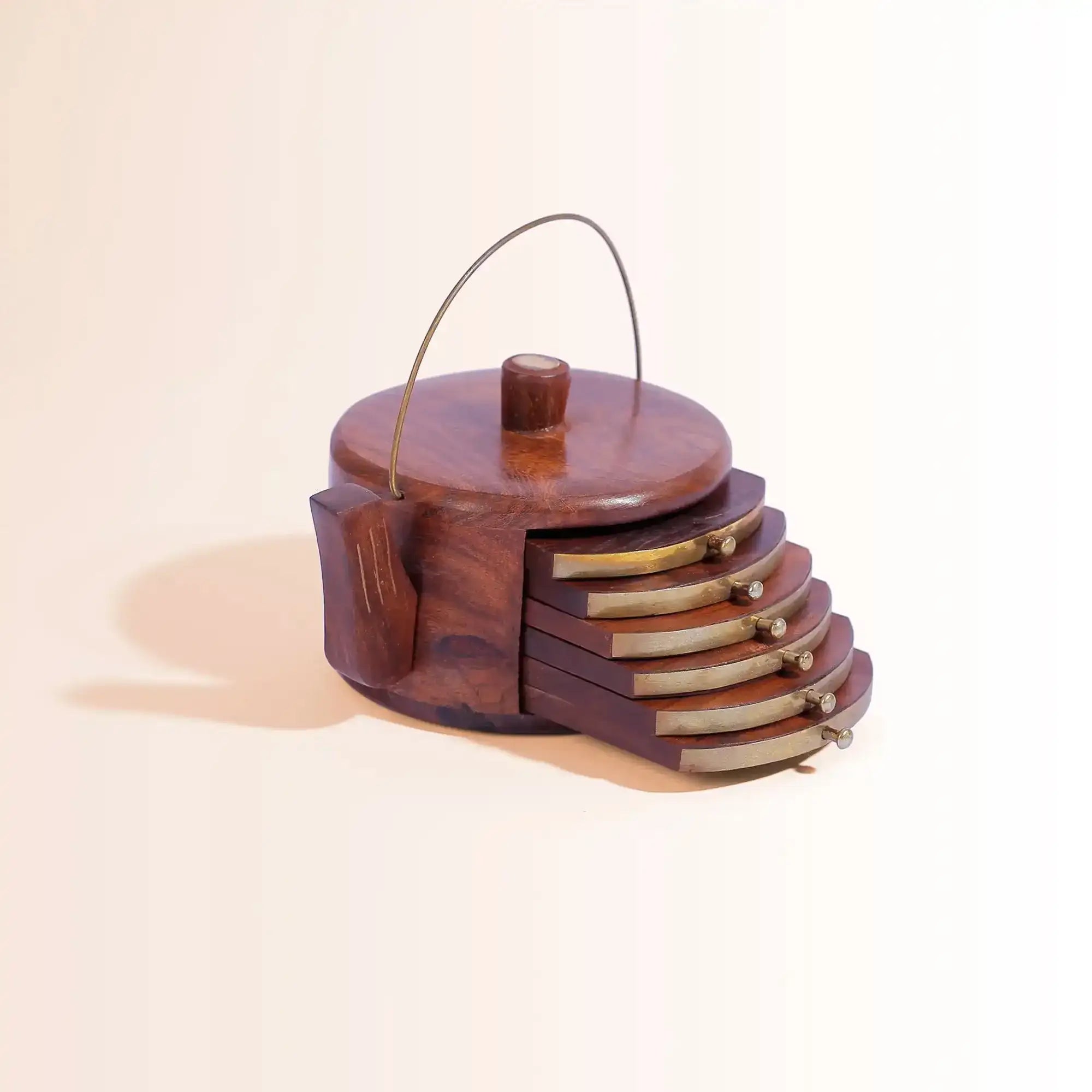


Why Wooden Roti Keepers Are Better Than Plastic or Steel Ones
Keeping chapatti warm and soft until mealtime is important in every kitchen in India. To help accomplish that goal, many people use either plastic or steel roti keepers. However, over the last few years, there has been a growing interest in wooden roti keepers. The combination of improved insulation, more natural materials, and artisanal craftsmanship makes wooden roti keepers a better option for many people.
In this article, you will learn why wooden roti keepers are superior to both plastic and steel roti keepers, based on my previous kitchen experience, material science, and long-term use.
1. Natural Insulation Keeps Rotis Soft for Longer
The natural insulation of wood allows for the retention of warmth from your cooked roti while also retaining moisture. This is the essence of balance.
- Wooden roti keepers gently retain warmth.
- Will prevent your rotis from becoming too moist or dry,
- Will keep rotis soft and textured longer.
Plastic roti keepers trap moisture and cause condensation, while steel ones cool too quickly to keep roti soft. Wooden roti keepers offer the best balance.
2. Health-Safe and Chemical-Free Choice
Plastic-based roti keepers are generally a health hazard due to the chemicals leaching into your food, especially when heated. The plastic will continue to leach toxic chemicals for its entire lifespan, as it has been heated.
Wooden roti keepers:
- Are food-safe (wood is a food-grade material)
- Do not leach (wood does not leach chemicals)
- Are free of any synthetics or other chemicals that could cause health problems over time.
Steel-based roti keepers are safer than using plastic due to the fact that they are typically designed to be used in high-heat cooking situations. Sometimes, however, steel-based roti keepers may absorb moisture and create a taste that some people may not enjoy. Wood is still considered the safest option, but if it's dry, it doesn't absorb moisture from the air as steel does.
3. Better Moisture Control Than Plastic or Steel
The moisture content is the most important aspect of ensuring that your rotis stay fresh.
- Plastic traps moisture → soggy rotis
- Steel cools fast → dry rotis
- Wood absorbs and releases moisture naturally
Wood absorbs moisture and naturally releases it over time. Therefore, when storing Indian breads such as chapati and dosa, use wooden containers. They allow your rotis to remain soft and fluffy, while avoiding all the extra moisture caused by plastic or metal containers.
4. Eco-Friendly and Sustainable Kitchen Essentials
With increasing awareness about our effect on the environment, sustainability is important! Wooden Roti keepers are a much more sustainable option compared to Plastic or Steel options.
- Made from renewable resources
- Biodegradable and recyclable
- Lower carbon footprint than steel production
While plastic Roti Keepers contribute to long-lasting environmental waste, Wooden Roti Keepers promote a more sustainable way of living.
5. Traditional Craftsmanship Meets Modern Design
Roti Keepers made of wood often represent the Heritage and Craftsmanship of the Indian culture. The majority of them are created by Artisan hands using techniques that have been handed down through the generations.
Benefits include:
- Unique grain patterns—no two pieces are the same
- Elegant ring designs and traditional finishes
- Adds warmth and authenticity to dining décor
Compared to plastic roti keepers manufactured on a mass scale, or manufactured using Industrial Steel, roti keepers made of wood add Character and Tradition to the dining table.
6. Durable and Long-Lasting with Proper Care
Contrary to common belief, wooden roti keepers are highly durable when maintained properly.
- Do not dent easily like steel
- Do not crack like low-quality plastic
- Age beautifully over time
When You Use Basic Care (Dry Cleaning, Occasional Oiling, No Soaking in Water), Your Wooden Roti Keeper Will Last for Years, Making It a Great Value for Money.
7. Aesthetic Appeal for Dining & Gifting
While wooden roti keepers provide function and utility, they are also stylistically pleasing and provide the following:
- An appeal to the table displays
- A blend of modern and traditional styles
- A perfect housewarming or festival gift
In contrast, plastic roti keepers offer little to no visual impact, while steel roti keepers usually feel very utilitarian. On the other hand, wooden roti keepers offer the ultimate combination of both function and elegance.
8. Minimal Odour Retention Compared to Plastic
Hot rotis tend to generate airborne food particles that can settle into plastic containers and be absorbed into their walls. Additionally, unless cleaned thoroughly after each use, steel roti containers can retain odours.
Wooden roti keepers:
- Do not trap strong odours easily
- Maintain natural freshness
- Keep rotis tasting authentic
Thus, wooden containers make the ideal choice for those who cook Indian food daily.
Conclusion
In terms of health, insulation, sustainability and aesthetic value, while plastic and metal may be lower-priced and more popular, the wooden option for Roti Keepers offers a complete solution that accommodates both food quality as well as lifestyle choices.
The wooden option for Roti Keepers is an ideal choice for those who are committed to healthy eating, living a conscious lifestyle and appreciate the continuing trend of using natural resources.
FAQs
Q1. Are wooden roti keepers safe for daily use?
A: Yes. High-quality wooden roti keepers are constructed from wood that has been approved for food contact and have no harmful chemical emissions, making them perfectly safe when used every day.
Q2. Do wooden roti keepers keep rotis warm?
A: Yes, definitely. Because wood has excellent insulative properties, it can actually keep your rotis warmer and softer for a longer period of time than either plastic or stainless steel roti keepers.
Q3. How do I clean a wooden roti keeper?
A: Your wooden roti keeper can be cleaned with a dry or damp cloth. It is not recommended to immerse your wooden roti keeper in water. To prolong the life of your wooden roti keeper, apply small amounts of food-grade mineral oil to it from time to time.
Q4. Are wooden roti keepers better than steel ones?
A: Yes. Wooden roti keepers offer better moisture balance, insulation, and aesthetic appeal compared to steel roti keepers.
Q5. Can wooden roti keepers develop fungus?
A: If the Wooden Roti Keeper is properly cleaned and dried, there will not be fungus growth. There is also no concern regarding the development of fungus if kept out of wet areas or dry away from excessive humidity.